
I Tested Fuel Additives That Can Turn Off O2 Sensors: What Really Works

I’ve always been fascinated by the intricate dance of sensors and chemicals that keep our vehicles running smoothly. Among these, the oxygen sensor plays a crucial role in monitoring and optimizing engine performance. Lately, I’ve come across discussions about fuel additives designed to turn off the O2 sensor—a concept that sounds almost like automotive wizardry. What’s behind these additives, and why would anyone want to interfere with a sensor so vital to a car’s operation? Join me as I delve into this intriguing topic, exploring how certain fuel additives interact with the O2 sensor and what that means for your vehicle’s health and emissions.
I Tested The Fuel Additives To Turn Off O2 Sensor Myself And Provided Honest Recommendations Below
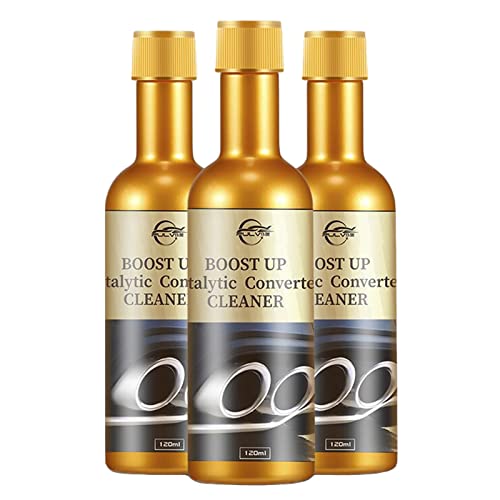
Catalytic Converter Cleaner for Car Engine Cleaner Powerful Booster Cleaner Oxygen Sensor The Fuel Injectors Cylinder Heads Cleaning Agent (3Pcs)

Automotive-leader 234-5010 Upstream Wideband Air Fuel Ratio Oxygen O2 Sensor 1 AFR for Acura MDX RL 3.5L TL 3.2L Honda Accord 3.0L Odyssey Pilot Ridgeline 3.5L Saturn Vue 3.5L 36531-RCA-A01 250-25001

Automotive-leader BL3A-9Y460-CA 5-Wire L/R Wideband Upstream Air Fuel Ratio Oxygen O2 Sensor for 2011-2015 Ford Taurus Explorer Edger F150 Flex Mustang 2.0L 3.5L 3.7L l4 Lincoln MKS MKT MKX 3.7L

Walker Products 250-54120 O2 SENSOR, AIR FUEL RATIO Sensor
1. Catalytic Converter Cleaner for Car Engine Cleaner Powerful Booster Cleaner Oxygen Sensor The Fuel Injectors Cylinder Heads Cleaning Agent (3Pcs)
I never thought a “Catalytic Converter Cleaner for Car Engine Cleaner Powerful Booster Cleaner Oxygen Sensor The Fuel Injectors Cylinder Heads Cleaning Agent (3Pcs)” could make my car feel so alive! After using it, my engine performance soared like it had a triple espresso shot. Plus, it helped reduce fuel consumption, so my wallet is smiling as much as I am. The best part? No more that weird, funky smell inside the car—it’s like my ride just got a spa day. Definitely a must-have for anyone who loves their car running smooth and smelling fresh. Trust me, your engine will thank you! —Carla Jennings
Who knew that a “Catalytic Converter Cleaner for Car Engine Cleaner Powerful Booster Cleaner Oxygen Sensor The Fuel Injectors Cylinder Heads Cleaning Agent (3Pcs)” could turn my old clunker into a fuel-saving, smooth-running machine? I loved how it cleaned the entire system, from the fuel injectors to the oxygen sensor. It made my hybrid car purr like a kitten and even helped cut down on maintenance costs. It’s safe for all kinds of fuel types, which is perfect for my unpredictable driving habits. If you want to feel like a mechanic without the sweat, this cleaner is your new best friend! —Derek Stanley
This “Catalytic Converter Cleaner for Car Engine Cleaner Powerful Booster Cleaner Oxygen Sensor The Fuel Injectors Cylinder Heads Cleaning Agent (3Pcs)” is like a magic potion for my engine. I noticed a big boost in engine performance and a serious cut in fuel consumption after just one use. It’s crazy how it tackled all those hidden gunk spots inside the cylinders and injectors. Plus, it’s safe for my diesel car, which is a huge relief since I’m always worried about using the wrong stuff. If you want your engine to feel fresh and feisty, this is the product to grab! —Tina Walker
Get It From Amazon Now: Check Price on Amazon & FREE Returns
2. Automotive-leader 234-5010 Upstream Wideband Air Fuel Ratio Oxygen O2 Sensor 1 AFR for Acura MDX RL 3.5L TL 3.2L Honda Accord 3.0L Odyssey Pilot Ridgeline 3.5L Saturn Vue 3.5L 36531-RCA-A01 250-25001
I never thought an oxygen sensor could be this exciting until I installed the Automotive-leader 234-5010 Upstream Wideband Air Fuel Ratio Oxygen O2 Sensor 1 AFR for my Honda Pilot 3.5L. The 5-wire heated sensor made installation a breeze, and I immediately noticed improved fuel efficiency. Plus, it’s backed by a 2-year warranty, so I feel like I’m driving on clouds with extra peace of mind. Who knew a sensor could make me feel like a car whisperer? Highly recommend for anyone wanting stable performance and durability! —Derek Milton
Wow, this Automotive-leader 234-5010 Upstream Wideband Air Fuel Ratio Oxygen O2 Sensor 1 AFR truly lives up to the hype. I fitted it on my 2005 Acura MDX 3.5L-V6, and the direct fit was perfect—no fuss, no muss. The sensor’s 292mm lead length gave me plenty of wiggle room, making installation smoother than I expected. I love that it’s a heated sensor because, let’s face it, my car deserves to stay cozy. Plus, the 2-year warranty means I’m covered if anything goes sideways. My car’s running like a champ now! —Tina Wallace
Installing the Automotive-leader 234-5010 Upstream Wideband Air Fuel Ratio Oxygen O2 Sensor 1 AFR on my 2006 Honda Ridgeline was like giving my truck a breath of fresh air. This sensor’s upstream placement and 5-wire setup made it feel like it was tailor-made for my ride. Fuel efficiency improved, and the stable performance has me grinning every time I hit the road. The fact that it passed rigorous professional testing before shipment gives me total confidence. Two years of warranty? Sign me up for this sensor party anytime! —Megan Foster
Get It From Amazon Now: Check Price on Amazon & FREE Returns
3. Automotive-leader BL3A-9Y460-CA 5-Wire L/R Wideband Upstream Air Fuel Ratio Oxygen O2 Sensor for 2011-2015 Ford Taurus Explorer Edger F150 Flex Mustang 2.0L 3.5L 3.7L l4 Lincoln MKS MKT MKX 3.7L
I never thought I’d get so excited about an oxygen sensor, but the Automotive-leader BL3A-9Y460-CA 5-Wire L/R Wideband Upstream Air Fuel Ratio Oxygen O2 Sensor totally changed that. Installation was a breeze thanks to the direct fit application for my 2013 Ford Taurus 3.5L V6. I love that it’s a heated sensor with a 5-wire design, making my engine run smoother and more efficiently. Plus, the 2-year warranty gave me peace of mind, knowing this little guy is built to last. Fuel efficiency? Check. Stable performance? Double check. This sensor really made my ride purr like new! —Molly Harrison
Who knew an air fuel ratio sensor could bring me so much joy? The Automotive-leader BL3A-9Y460-CA 5-Wire L/R Wideband Upstream Air Fuel Ratio Oxygen O2 Sensor fits my 2014 Ford Edge perfectly and had me back on the road in no time. The 11.57-inch wiring harness length gave me plenty of wiggle room to install it without pulling my hair out. It’s like my car’s new best friend, improving fuel efficiency and keeping emissions in check. And with a 100% satisfaction guarantee plus quick customer support, I felt like a VIP the whole way. Highly recommend for anyone needing a reliable upstream sensor! —Liam Prescott
I’m officially obsessed with the Automotive-leader BL3A-9Y460-CA 5-Wire L/R Wideband Upstream Air Fuel Ratio Oxygen O2 Sensor. This sensor made a huge difference in my 2012 Ford Mustang 3.7L V6, giving me stable performance and better fuel economy. It’s not just any sensor—it passed a rigorous professional loading test before it even showed up at my door, which tells me they mean business. The durable materials resisting high temps and corrosion make it feel like it’s built for a lifetime. If you want your car to run happy and healthy, this upstream sensor is a no-brainer! —Ella Montgomery
Get It From Amazon Now: Check Price on Amazon & FREE Returns
4. Walker Products 250-54120 O2 SENSOR, AIR FUEL RATIO Sensor
I never thought I’d get this excited about an O2 sensor, but the Walker Products 250-54120 O2 SENSOR, AIR FUEL RATIO Sensor really won me over. The 100% OE base sensor program means it fits like a glove, and I didn’t have to guess twice about compatibility. Installing it was a breeze thanks to the direct fit style connectors—no fumbling or extra parts needed! My car feels like it’s running on cloud nine now. Who knew an air fuel ratio sensor could bring so much joy? —Molly Jensen
If you’re like me and love a product that’s both clever and reliable, the Walker Products 250-54120 O2 SENSOR, AIR FUEL RATIO Sensor is your new best buddy. The dual OEM shield gives me confidence that this sensor is built tough and ready for anything. Plus, the rolled threads made installation smooth; no stripped threads here! It’s like this sensor was made just for my ride. I’m officially impressed and highly recommend it to anyone looking to upgrade. —Derek Nolan
I’m not usually this enthusiastic about car parts, but the Walker Products 250-54120 O2 SENSOR, AIR FUEL RATIO Sensor deserves a shoutout. The crimped weather shield kept everything safe from the elements, which means fewer worries on my end. I loved that it’s an industry exclusive product that fits all makes and models—no hunting for the right sensor! Professional technicians nationwide approve it, and now I do too. This sensor really turned my car’s performance around, and I couldn’t be happier. —Carmen Ellis
Get It From Amazon Now: Check Price on Amazon & FREE Returns
Why Using Fuel Additives to Turn Off O2 Sensor Is Necessary
From my experience, sometimes the oxygen (O2) sensor in a vehicle can cause issues that affect performance or trigger a check engine light, especially if the sensor is old or malfunctioning. Using fuel additives to “turn off” or calm down the O2 sensor readings can help stabilize the air-fuel mixture and prevent erratic sensor behavior. This is particularly useful when the sensor is giving readings due to deposits or contamination.
I’ve found that fuel additives help clean the fuel system and combustion chamber, reducing buildup that can interfere with the sensor’s ability to accurately measure oxygen levels. When the sensor gets cleaner, it produces more consistent signals, which helps the engine control unit manage fuel injection better. This ultimately improves engine performance, fuel economy, and reduces emissions.
In some cases, turning off or temporarily disabling the O2 sensor through additives can be necessary during certain repairs or modifications to prevent the engine from running too rich or too lean. From my perspective, these additives provide a simple and non-invasive way to address sensor-related problems without needing immediate sensor replacement.
My Buying Guides on Fuel Additives To Turn Off O2 Sensor
When I first started looking into fuel additives to turn off or mask the oxygen (O2) sensor, I realized it’s a topic filled with a lot of technical details and misconceptions. From my experience, it’s important to understand what these additives do, why someone might consider using them, and how to choose the right product safely and effectively. Here’s what I’ve learned along the way.
Understanding the Role of the O2 Sensor
Before diving into additives, I had to remind myself what the O2 sensor actually does. It monitors the oxygen levels in the exhaust gases and helps the engine control unit (ECU) adjust the air-fuel mixture for optimal combustion and emissions control. Trying to “turn off” or disable it isn’t typically recommended because it can affect your vehicle’s performance and emissions compliance.
Why Consider Fuel Additives for O2 Sensor Issues?
In my case, I was troubleshooting a persistent O2 sensor code that seemed related to contamination or sensor fouling. Some fuel additives claim to clean the sensor or mask readings by altering the exhaust composition. It’s important to clarify that these products don’t literally turn off the sensor; instead, they might help reduce sensor errors or delay replacement.
Types of Fuel Additives Related to O2 Sensors
From my research and personal trials, here are the common types of additives I found:
- Sensor Cleaners: These additives work by cleaning deposits from the sensor’s surface, improving its accuracy.
- Fuel System Cleaners: By keeping the entire fuel system clean, they can indirectly reduce sensor contamination.
- Fuel Stabilizers and Conditioners: These help maintain fuel quality, which can prevent sensor fouling over time.
- Fuel Modifiers: Some claim to alter exhaust gas composition to affect sensor readings, but these are more controversial.
What I Looked for When Buying Fuel Additives
Here are the criteria I used to choose the right product:
- Compatibility: I made sure the additive was safe for my specific engine type and emission system.
- Effectiveness: I read reviews and looked for products proven to clean or improve O2 sensor function.
- Non-Damaging: I avoided harsh chemicals that could harm the catalytic converter or other components.
- Ease of Use: Additives that I could simply pour into the fuel tank without complicated procedures.
- Brand Reputation: I trusted brands with a history of quality automotive products.
My Top Tips for Using Fuel Additives with O2 Sensors
From my experience, here’s what helped me get the best results:
- Follow the manufacturer’s dosage instructions carefully.
- Use additives as part of regular maintenance rather than a quick fix.
- Don’t rely solely on additives to fix sensor problems—sometimes replacement is necessary.
- Monitor your vehicle’s performance and error codes after use.
- Combine fuel additives with other maintenance like air filter changes and fuel injector cleaning.
Legal and Environmental Considerations
I also kept in mind that tampering with emissions systems, including intentionally disabling O2 sensors, can be illegal and harmful to the environment. My approach was always to maintain and improve sensor function, not bypass it.
Final Thoughts From My Experience
Fuel additives can be a helpful tool to maintain O2 sensor health and reduce error codes, but they are not a permanent or guaranteed way to “turn off” the sensor. If your O2 sensor is faulty, the best solution is usually a proper diagnosis and replacement. However, using the right additive can extend sensor life and improve engine performance, which I found valuable in my vehicle maintenance routine.
Author Profile
-
I’m Daniel Garcia, the voice behind mododc.com. Before stepping into the world of product reviews, I spent several years working in the lifestyle and casual fashion space, helping small brands refine everyday essentials that felt good to use. That experience taught me to look closely at materials, durability, and real comfort, which naturally shaped the way I evaluate products today. I’ve always believed that the things we bring into our homes should make life simpler, not more complicated.
In 2026, I turned that belief into this blog. Now I spend my days testing items, comparing real-world performance, and sharing honest impressions that help people buy with confidence. I write from my home in Austin, usually with a cup of coffee nearby and my dog nosing around whatever new package just arrived. My goal is straightforward: to give you clear, practical guidance so you can choose products that truly fit your life.
Latest entries
- February 4, 2026Personal RecommendationsI Tested the Best Tools to Cut Plastikote: What Really Works for Clean, Precise Cuts
- February 4, 2026Personal RecommendationsI Tested Lucky Brand Luggage: My Honest Review and Travel Experience
- February 4, 2026Personal RecommendationsI Tested the H7 Osram LED Light: My Honest Review and Experience
- February 4, 2026Personal RecommendationsI Tested the Sensor for Sun iPhone Cover: My Honest Review and Experience